
In many cultures around the world, the winter season brings with it mythical figures and festivals that bring joy and excitement to the darkest and coldest days of the year. In the Basque Country, this beloved figure is known as Olentzero, the Basque Santa Claus, who brings with him a rich tradition and a festive spirit that delights both young and old alike.
In this article, we invite you to dive into the fascinating world of Olentzero, get to know who he is, his customs, songs, related characters, where he lives, and the traditions that surround him.



 5 Days in Basque Country
Book Tour: 5 Days in Basque Country
Who Is Olentzero?
To understand Olentzero, we must first explore his origin and how he has evolved over time. His name comes from the Basque words “olesen-aroa,” which mean “time of asking.” Olentzero’s story has deep roots in Basque culture and has undergone significant changes over the centuries.The Ancient Olentzero: A Threatening Giant
In his origins, Olentzero was considered a threatening and malevolent character. According to legend, he was one of the “jentilak,” giants from Basque mythology, who lived in the forests of the Pyrenees in Navarre, near the village of Lesaka. The story goes that these giants saw a mysterious bright cloud in the sky, which they interpreted as a sign of the imminent birth of Jesus. Fearing the changes this would bring, they took drastic measures. An elderly member of the tribe, nearly blind, could see the cloud and confirmed their fears. He decided to take his own life, and the giants threw him off a cliff. However, on their way back up the mountain, the giants had an accident and perished, except for one: Olentzero. He descended to the valley and, according to the original version, committed violent acts such as cutting the throats of those who overindulged on December 24th.The Transformation of Olentzero: From Malevolent Giant to Kindly Man
Over time, Olentzero’s story evolved and adapted to be more suitable for children and Christmas festivities. The modern and friendly version of Olentzero portrays him as a humble and generous man. According to this narrative, Olentzero was found as a newborn abandoned in the woods by a fairy with blond hair. She adopted him, gave him his name, and raised him. Over time, Olentzero grew into a strong man who worked as a charcoal maker. But the highlight of this version is that Olentzero had a generous heart and enjoyed crafting wooden toys for children. Every year, he loaded a sack full of toys and distributed them among the children of Basque villages. His robust appearance and love for Christmas made him a beloved character for children.The Contemporary Olentzero
Today, Olentzero’s figure is a beloved symbol of Christmas in the Basque Country. Although his story has undergone changes over the centuries, his essence as a kind character who brings gifts and joy to children has remained. On Christmas Eve, December 24th, children eagerly await Olentzero’s arrival and the gifts he brings.Characters Related to Olentzero
In addition to Olentzero the basque santa claus , there are other characters related to Christmas celebrations in the Basque Country.
Mari Domingi
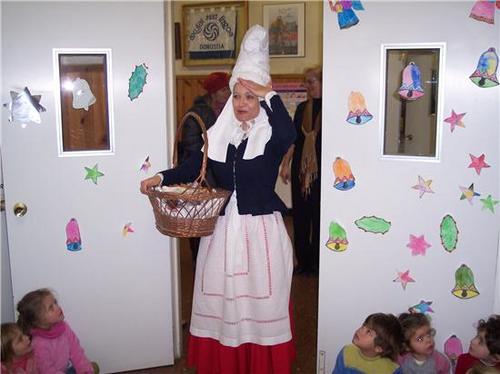
Mari Domingi is Olentzero’s wife and is an equally important figure in Christmas festivities. She is often depicted accompanying Olentzero in the parades and processions. Together, they represent gender unity in Basque Christmas celebrations.
Basajaun
Basajaun, which means “Lord of the Forest,” is another character related to Basque mythology who is sometimes associated with Olentzero. He is considered a protective spirit of the forests and nature. Although his connection to Olentzero varies by region, they are often depicted together in the celebrations.
Galtzagorri
In contrast to the imposing figures of the Jentiles and Tartalo, the Galtzagorri are small elves dedicated to aiding humans in accomplishing astonishing tasks. These diminutive beings are known for their dexterity and magical abilities that enable them to perform seemingly impossible tasks.
Galtzagorri
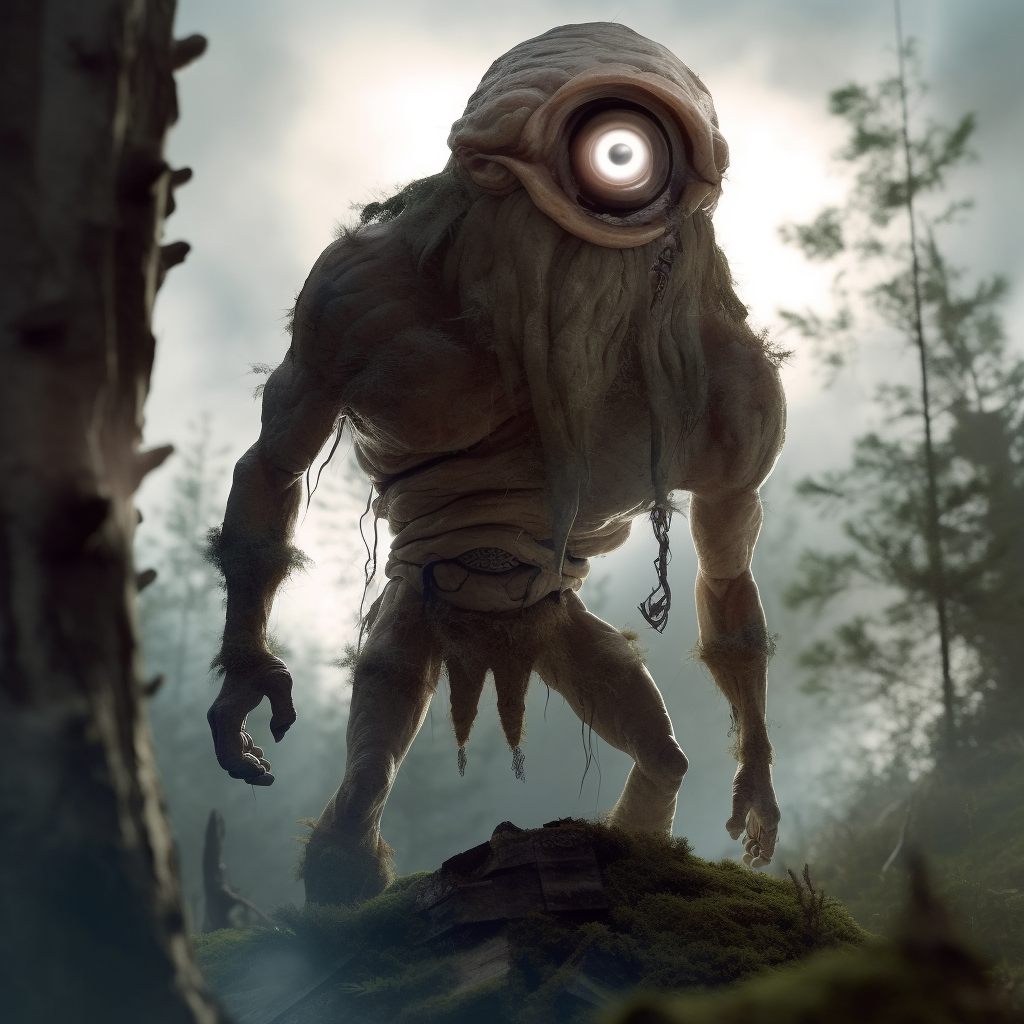
Tartalo is an iconic figure in Basque mythology, a giant cyclops known for his unique characteristic: he has a single eye in his forehead. This singularity sets him apart among mythical creatures and adds an aura of mystery to his stories.
5 Days in Basque Country
Book Tour: 5 Days in Basque Country


